
Modular and Prefabricated Construction: A Complete Guide for 2025
Prefabrication and modular construction || What is Modular Construction || The Difference Between Prefab and Modular Construction || modular construction || prefabricated construction || benefits of modular construction || prefab building process || modular vs prefabricated || prefab construction examples || modular building advantages || prefabricated housing solutions
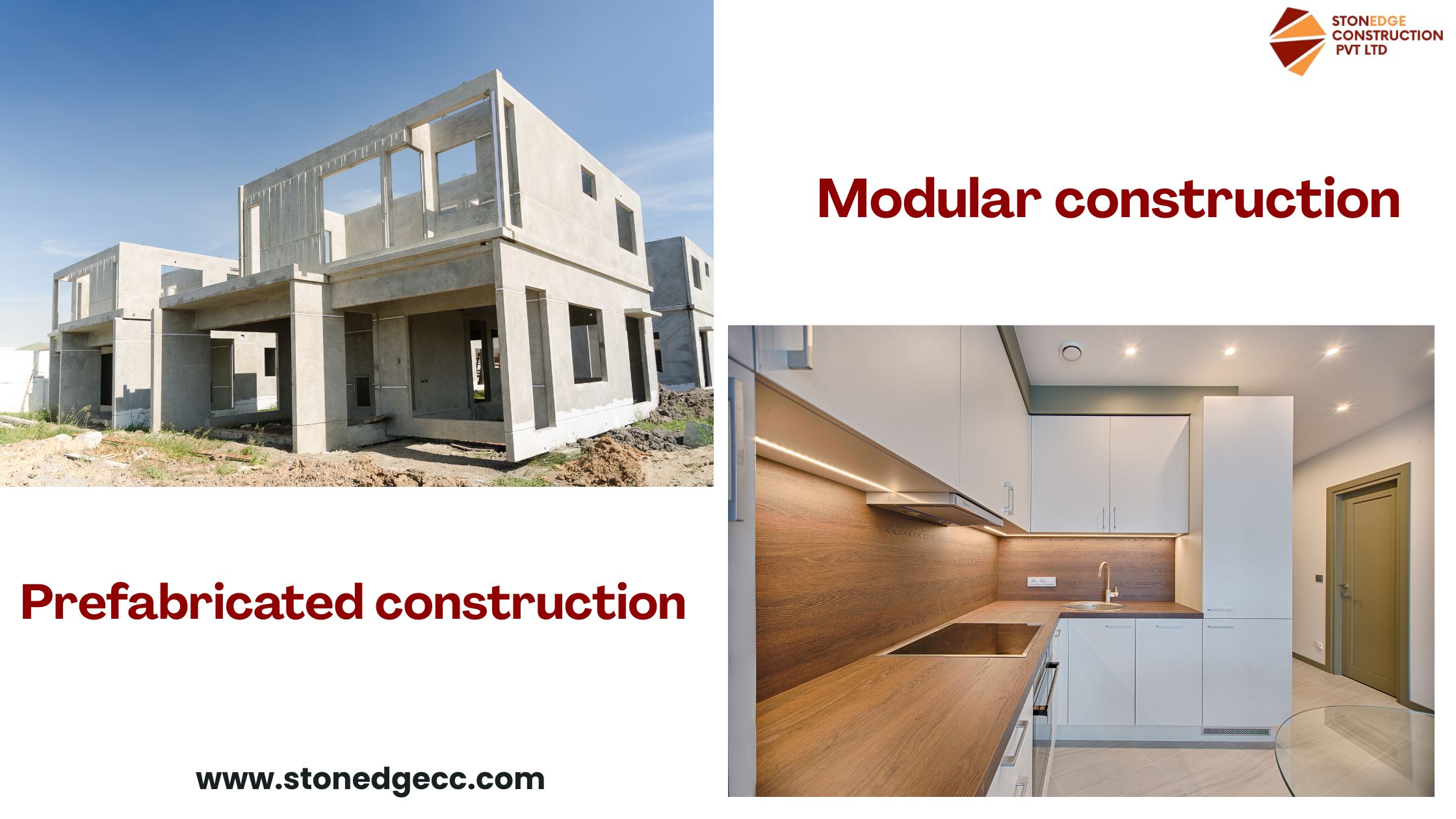
The terms prefabrication and modular construction are often used interchangeably.Prefabrication refers to the fabrication of building components away from the construction site and assembly on site.Modular construction specifically describes examples of prefabrication where the components are standardized modules.The advent of prefabricated and modular buildings has brought about a fundamental change in construction paradigms.These techniques change the building industry by providing benefits such as shorter construction times, cost-effectiveness, better quality control, sustainability, and design flexibility. World-renowned projects have effectively extended the possibilities of modular construction.As technology evolves and the need for sustainable and efficient construction increases, modular and prefabricated construction will increasingly shape the cities and communities of the future.
Through this blog, stonedge construction presents an overview of the benefits of modular and prefabricated construction, helping you understand how these cutting edge methods have transformed the construction industry from cost-effectiveness to faster project completion.
Modular construction :
Modular construction is a process in which a building is constructed off-site, under controlled plant conditions, using the same materials and designing to the same codes and standards as conventionally built facilities – but in about half the time. Buildings are produced in “modules” that when put together on site, reflect the identical design intent and specifications of the most sophisticated site-built facility – without compromise.
Modular construction must be carefully planned because once the process begins it is difficult to make changes and customizations. The reason for limited customization is because of the process they use to build the modules. It is a factory process that is repeated for each module so it is especially efficient for buildings with multiple identical rooms like schools and hospitals.
Advantages and disadvantages of Modular construction
Offsite construction is becoming more popular for several reasons. In no particular order, the first desirable quality is its ability to bring projects to market faster. It appeals to environmentally conscious stakeholders who want to reduce waste. Modular is also an effective solution to the construction industry’s ongoing labor shortage, enabling better quality control and safety levels.
However, if you’re considering modular construction for your next project, there are a few advantages and potential drawbacks to consider before signing on. We’ve outlined the key modular construction advantages and disadvantages below for your convenience.
Advantages –
Saves Time
An obvious one is that modular construction allows a chunk of the work to be made in a factory while sitework and foundations are simultaneously performed on the site. This time-saving benefit keeps the project on schedule and speeds up construction time while still being efficient. There is potential to save 30 to 60 percent of overall schedule through a modular approach.
Flexibility
Modular structures can be expanded, changed, disassembled, moved, or renovated to accommodate changing needs. This results in a decrease in the need for raw materials and a reduction in energy usage, making it a sustainable decision.
Lower Volume of Waste
According to a recent UK study, up to a 90% reduction in materials can be achieved with modular building. With the environment being a growing concern in the construction industry, modular strategies are becoming more popular to limit the amount of waste on each project. There are even efforts to maximize recycling within factories that put the building portions together.
Adaptability and scalability
Assembled with modules, modular buildings always have the opportunity to expand when needed, allowing for improvements and advancements.
Remote Location Service
In remote locations where conventional on-site building can be costly and time-consuming, modular construction is helpful. It offers quick and affordable solutions for sanitary and medical facilities in difficult environments.
Efficiency in Labor Use:
Modular construction optimizes labor use by centralizing work in a factory. This method reduces the need for specialized trades to travel to the site, improving efficiency and reducing labor costs.
Disadvantages –
Costly transportation
The cost of transporting modules from a factory to a construction site is higher, with inherent risks in transporting large loads of modules. Costly transportation is the main disadvantage of modular construction.
Budgeting differences
Paying for a modular build can be different to traditional process – with a larger amount required upfront to secure production. It’s not the usual steady flow of material and labour costs throughout.
Perception and Regulatory Challenges
Some clients and local councils still perceive modular buildings as temporary or of lower quality, leading to potential regulatory hurdles and planning restrictions.
Despite some limitations, modular construction continues to gain popularity due to its speed, cost savings, and sustainability benefits.
Reduced resell value
Modular buildings still face a stigma surrounding the quality of the properties. It will take time to see a change in the opinion that the quality of a modular property is not inferior to that of a traditionally built property.
Longer design process
Because of this onus on the design and starting phases, it can take a little longer for projects to be approved and started.
Design and Size Limitations
Modules can be restricted by transportation constraints, affecting design flexibility.
Prefrabricated construction :
Prefab or Prefabricated construction is the process of manufacturing different components of a structure in a factory or manufacturing facility away from site and then transporting the complete set of components to the construction site for assembly of the structure. This is all referred to as Offsite Construction. Prefabricated construction solves several problems related to cramped, busy and dense urban environment construction sites. Transportation of material and equipment in the site area as well as on the site premises can be very troublesome, that would result in increased costs and extended timelines. Prefab construction is a perfect solution for all these problems. Offsite construction provides better provisions for planning and manufacturing building components in another place.
Advantages –
Improved energy efficiency
Prefabricated components are typically made with energy-saving materials and methods. So, the buildings constructed out of these will likely show better thermal performance with reduced energy consumption.
Enticing designs and looks
Through modular constructions, you can get innovative and practical designs. This comes along with quality and sustainable building material. Also, modular constructions prove to be an excellently attractive addition to existing structures like residential building or houses, school or office buildings.
There is less risk of on-site accidents
Manufacturing construction components in a specialist warehouse reduces the amount of work required on-site. That means fewer people doing less work in less time amid the bustle of truck deliveries, moving crane arms, and other potential threats. This has a beneficial impact on risk, minimising accidents and the delays/paperwork/repercussions that may ensue.
Energy Efficiency
Prefab construction is known for its energy efficiency, with many prefab homes featuring high-quality insulation, energy-efficient windows, and other sustainable building materials. This not only reduces the environmental impact of the home but also leads to cost savings for the homeowner in the form of lower utility bills. Additionally, prefab homes can be easily customized to incorporate renewable energy sources such as solar panels, further increasing their energy efficiency.
Versatile Design Possibilities
The idea that prefabricated construction limits architectural originality is a misunderstanding. There are numerous design alternatives available with modular construction, and the end effect is stunning. Technology advancements and new techniques of component production enable the integration of prefabricated structures into a wide range of architectural styles and uses, giving them a great degree of versatility.
Disadvantages –
Design constraints
In order to ensure both ease of transportation and structural integrity once a building is completed, prefabrication places particular constraints on what design teams can plan and propose in the early stages of the building lifecycle.
Location
Where the prefabrication takes place. Smaller, common items can be made in factories serving many projects and markets. Large custom assemblies typically need custom, temporary facilities set up for the project. This can make the prefab assemblies more costly than site built ones.
Higher Initial Costs
The initial investment in setting up a prefabrication facility, specialized equipment, and transportation can be substantial.
Site constraints
Few construction sites may have access or space constraints. This can cause problems in delivering independent prefabricated components and their on-site assembly.
Resistance to Change
The construction industry can be slow to adopt new technologies, and prefabrication may face resistance from some stakeholders.
.
.
.
.
.
.
.
.
.
Stonedge Construction Pvt. Ltd. brings trusted expertise in civil works, interiors, electricals, flooring, and more — all across Assam. Whether it’s your dream home or a commercial space, we’re here to make it happen with quality, care, and professionalism.