Why retaining wall Matter in House Construction?
.
.
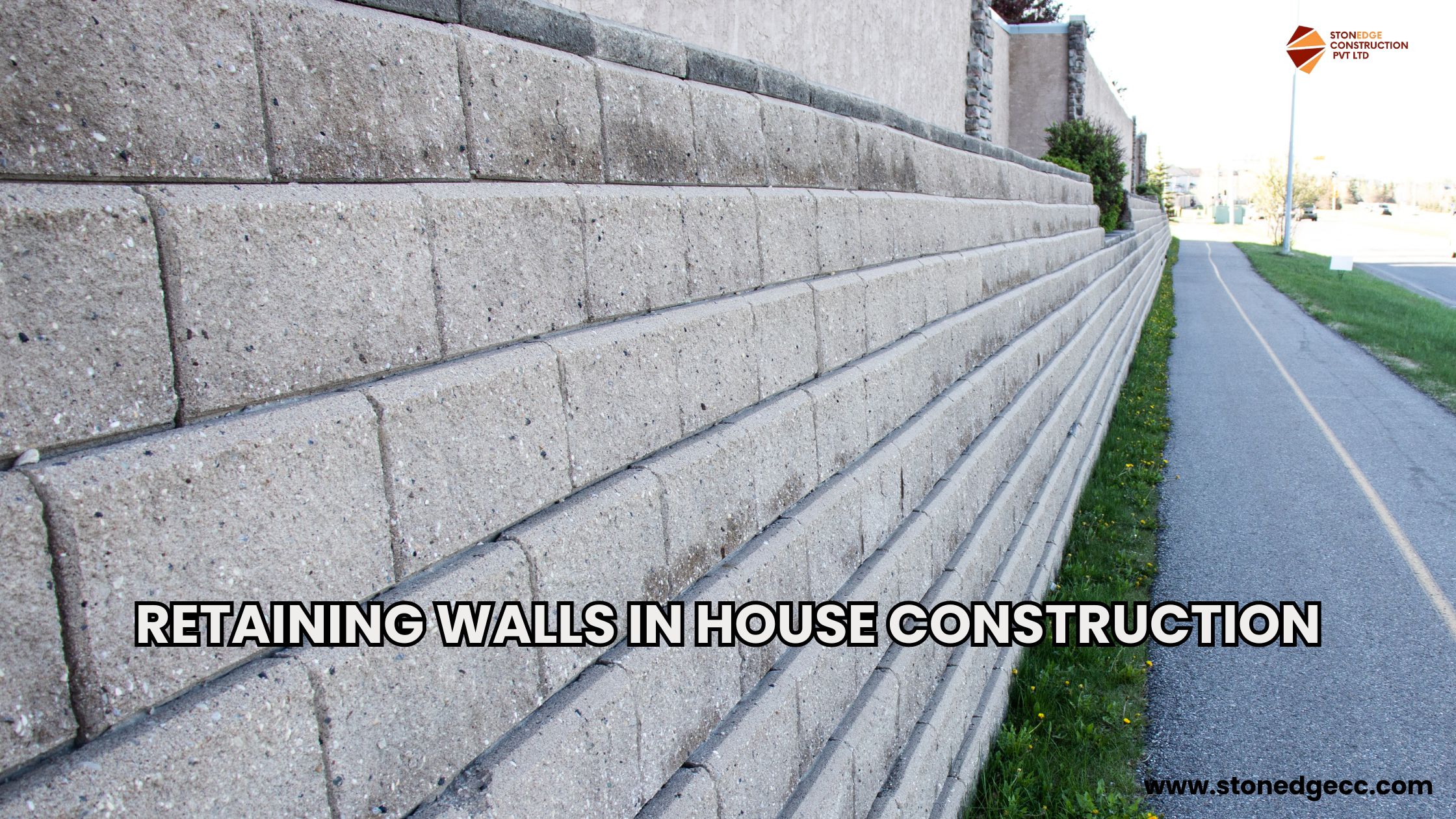
Why Retaining Walls Matter in House Construction – Benefits & Importance Explained || Retaining Walls in House Construction: Why They’re Essential for Strength & Safety || Importance of Retaining Walls for Your Home Foundation & Landscape Design || Why Every Modern Home Needs a Retaining Wall | Expert Insights by Stonedge Construction || Understanding Retaining Walls and the Types of Retaining Walls Used in Construction || Key Benefits of Retaining Walls for Your Landscape || Retaining Wall Construction & Water Control || Why Structural Retaining Walls Matter
Retaining walls have become an essential feature in today’s modern landscape design and construction projects, providing not only aesthetic charm but also essential support for structural integrity, safety and environmental sustainability. Whether you are building a new home, renovating an existing property, or looking to enhance your landscape, a retaining wall can offer many benefits that go far beyond mere functionality. Retaining walls are designed to resist the lateral pressure of soil, water, and other forces, restraining soil in areas where natural slopes or terrain might otherwise cause erosion, instability, or even landslides. These walls are often built in areas with steep grades, where they help create more usable space and preserve the integrity of the land. But retaining walls do much more than just retain soil — they’re critical to property safety, landscaping efforts and the overall sustainability of the environment.
What is Retaining wall ?
A retaining wall is a wall that holds back earth or water on one side of it. Above ground, retaining walls are vertical, or near-vertical, structures designed to create level areas on sloping sites.
Retaining walls systems are used in geotechnical engineering primarily to reinforce soil, increase its bearing capacity and increase the soil’s resistance to differential settlement.
What Are the Most Common Retaining Wall Materials?
The most common retaining walls include brick, concrete, stone, and wood. Some modern walls use a geosynthetic material called geogrids to stabilize and create reinforced soil.
Types of Retaining Wall .
Gravity Retaining Wall
Gravity retaining walls use their weight to resist lateral earth pressure. These types of walls are typically massive. This is because they require a great deal of gravity load to counteract the soil behind them. They must account for bearing, sliding, and overturning forces and may be constructed from a variety of materials, from precast concrete to concrete blocks to stone or masonry. They are suitable for heights of up to 10 feet.
Cantilever Retaining Wall
Cantilever Retaining Walls are pretty similar to Gravity Retaining Walls, however they include an additional base component that provides additional restraint against overturning and sliding given this additional concrete. This shape is more effective to resist the active forces, as the weight of the active force provides vertical resistance (gravity forces) to resist overturning and sliding – so less concrete can generally be used.
Anchored Retaining Wall
Anchored retaining walls are used in areas of limited space where a thin wall is needed. They are especially suited for retaining loose soil over rocks. They can be built to great wall heights because of their means of construction, which utilizes deep wires or cable rods driven horizontally into the earth with the ends filled with poured concrete to provide the requisite anchoring. These anchors, also called tiebacks, serve to counteract sliding pressure and overturning.
Sheet Pile Retaining Walls
Sheet piles with a corrugated shape (to increase the bending capacity of the sheet) can also be used to retain the active pressure in retaining walls. They are driven into the soil using a rig and provide additional lateral restraint as it is piled deep into the soil. These types of retaining walls are often used as barriers for groundwater flow and in car parks and are beneficial in areas that don’t have a lot of space for wide barriers.
Gabion Retaining wall
This retaining wall is constructed of stone-filled gabions tightly attached to the wire. Rather than being vertical, gabion walls are frequently slanted. Galvanized steel wire is commonly used in this retaining wall. The wire coated with PVC or stainless steel can also be utilized.
Gabion Retaining Walls can be used to prevent erosion on river banks, beaches, highways, and other sloped areas. Gabion walls give the landscape a streamlined appearance.
Why is retaining wall matter?
.
Prevents soil erosion and landslides:
In sloping properties, retaining walls hold the soil in, preventing it from slipping or collapsing due to gravity and water pressure, which protects low-level structures and nearby foundations.
Infrastructure supports:
They are very important for roads, bridges, and buildings in steep terrain by providing a stable base and supporting the lateral strength of the earth.
Controls water and prevents sinkholes:
Drainage systems integrated into the retaining wall manage stormwater runoff, reducing water saturation and the potential formation of sinkholes, especially in areas with sensitive rock.
.
.\
.
Stonedge Construction Pvt. Ltd. brings trusted expertise in civil works, interiors, electricals, flooring, and more — all across Assam. Whether it’s your dream home or a commercial space, we’re here to make it happen with quality, care, and professionalism.
👉 Click here to Contact Us
