
Strap footing: Foundation design & construction guide
Design of Strap Footing | Cantilever Footing || Strap Footing: Foundation Design & Construction Guide || Strap footing construction process
.
.
.
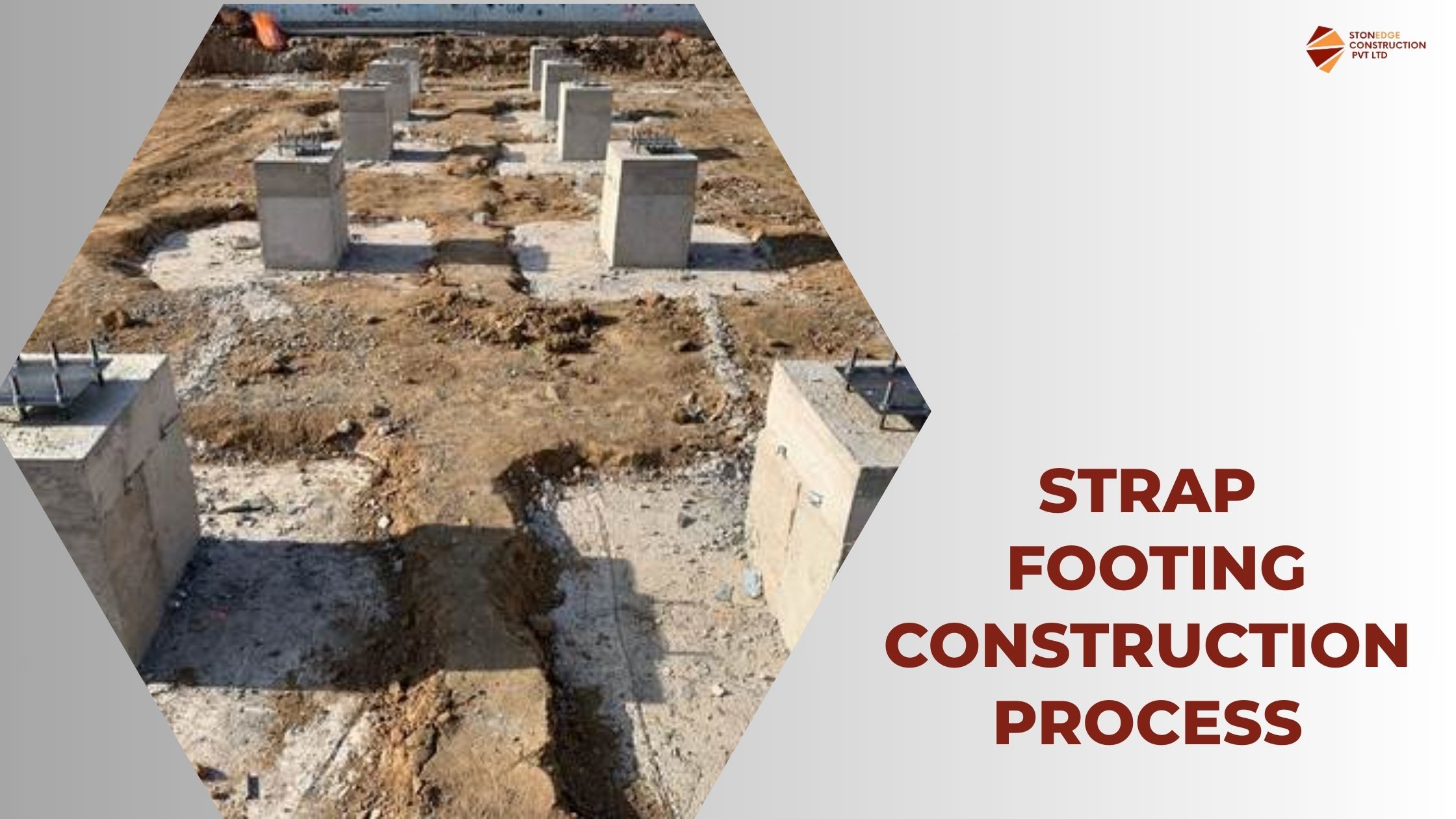
Strap footing foundation technique where two or more isolated footings are connected by a strap beam. This connection helps distribute the load evenly across the footings, ensuring the structure stays stable and safe.
It is particularly useful when building on challenging terrains or when the weight distribution of the building is uneven. Strap footing ensures stability and safety by offering a balanced distribution of weight, even in complex construction conditions. It’s an ideal solution when space is limited or when dealing with properties with unusual layouts.
.
.
Types of Strip Footing Design
.
Each design has specific benefits and caters to varying construction needs. Consulting an expert ensures the right design choice for your home. Here are some common types of strip footing:
.
Plain Concrete Strip Footing:
This type is ideal for lighter structures, such as small houses or low-rise buildings, constructed on stable soil. It is a cost-effective option when the soil can naturally support the building’s load without requiring additional reinforcement.
.
Reinforced Strip Footing
Designed for heavier loads or areas with challenging soil conditions, reinforced strip footings include steel reinforcements to enhance strength and durability. These are commonly used in larger buildings or where the soil’s load-bearing capacity is low.
..
Stepped Strip Footing:
When the ground level varies, stepped strip footings ensure uniform load distribution across uneven terrain. This design is particularly useful for sloping sites, preventing structural stress and maintaining stability.
.
Why Use Strap Footings?
Here are some reasons why builders use strap footings:
.
Weak Soil
When building on unstable ground, strap footings help distribute the weight over a larger area of a building. This reduces the chances of the building sinking into the ground.
.
Uneven Ground
In cases of uneven ground, strap footings are used to hold the building steady since straps connect different parts of the footing for balanced weight distribution.
.
Heavy Loads
For heavy buildings, such as large warehouses or high-rise apartments, strap footings share the weight evenly so that there is no structural collapse of the building.
.
Strap footing design
Constructing a Strap footing foundation requires accurate calculations and considerations. There are some factors that determine the strap footing design like – the size of the property, condition of the soil and the load it is intended to carry. Some important considerations in strap footing design are-
.
Load Calculation
A primary aspect to consider is the load that the column is intended to carry. The vertical load must be calculated, including everything that entails the structure. This helps in gauging the load that the footing will be transferring to the ground.
.
Footing Size
The area and size of the footing is important to be calculated to ensure that the soil has a bearing capacity that can hold the structure safely and the load pressure falls within safe limits.
.
Beam Design
The strap beam design must be strong enough to transfer all load from the offset footing to the centre of the footing. It must be kept in mind that the beam must not take any vertical loads, but acts as the transferer of the load only.
.
Construction guide for Strap Footing Foundation
Following these steps will ensure a strong and reliable foundation for your home.
.
Assess the Site
Start by conducting soil tests to determine the load-bearing capacity of the soil. Understanding its strength ensures that your foundation will support the weight of your home and avoid any future settling or shifting.
.
Plan the Layout
Accurately mark the locations of the footings and strap beams. Proper layout planning is key to ensuring that the load is evenly distributed and the foundation is aligned with your structural design.
.
Excavate
Dig trenches according to the foundation’s design specifications. Excavation needs to be precise to ensure the footings and beams sit at the correct depth and location, offering proper support.
.
Reinforce
Place steel rebar in the excavated trenches. Reinforcing the footings and beam with rebar strengthens the concrete, ensuring it can withstand the weight and stresses placed on the foundation over time.
.
Pour Concrete
Once the reinforcement is in place, pour high-quality concrete into the trenches. This step is crucial for ensuring the foundation’s strength, durability, and resistance to cracking or shifting.
.
Cure the Concrete
Allow the concrete to cure for at least 7 days. Proper curing ensures the concrete achieves maximum strength and stability, making it resilient and long-lasting.
.
.
.
Stonedge Construction Pvt. Ltd. brings trusted expertise in civil works, interiors, electricals, flooring, and more — all across Assam. Whether it’s your dream home or a commercial space, we’re here to make it happen with quality, care, and professionalism.